How Professional Pest Control Services Protect Against Health Risks
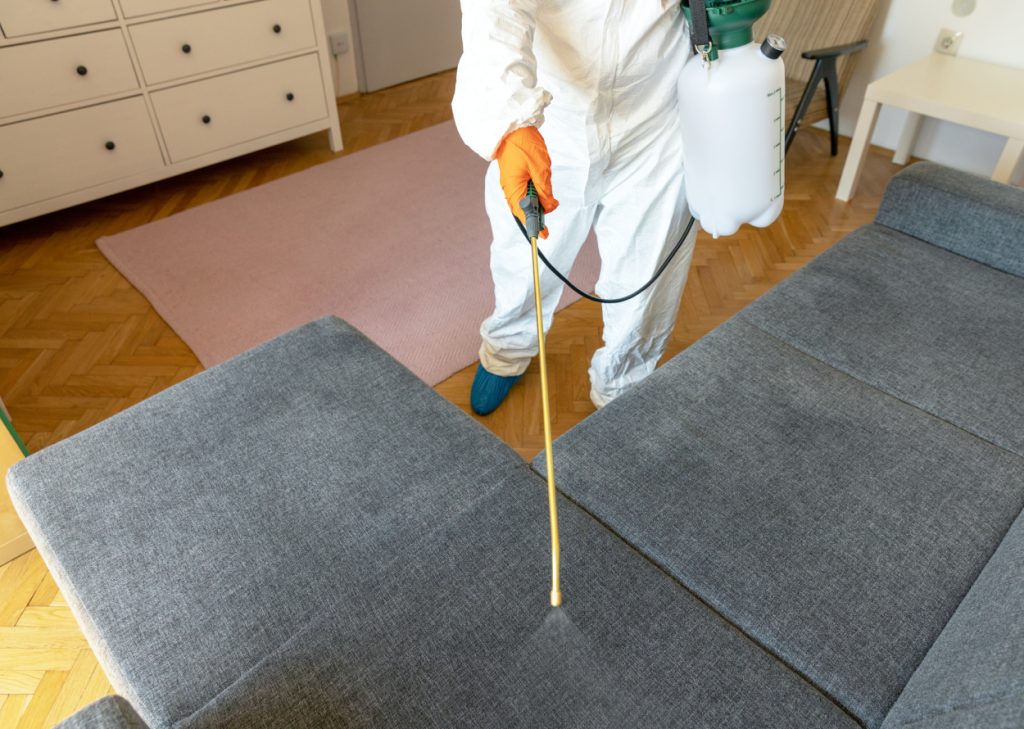
A pest problem is rarely just a nuisance. It is often a sanitation issue, a structural issue, and, in many cases, a health issue that quietly worsens while people focus on the more visible signs, the scratching in the wall, the ant trail near the sink, the wasp nest under the eaves. The real concern sits behind those symptoms. Rodents contaminate food and surfaces. Cockroaches aggravate asthma. Bed bugs disrupt sleep and trigger secondary skin infections from scratching. Mosquitoes and ticks can carry disease. Even pests that do not bite or spread pathogens directly can create conditions that undermine indoor air quality and hygiene.
This is where professional Pest Control Services matter. Good service is not simply about killing bugs or trapping mice. It is about risk reduction. A trained technician looks at the property as a whole system, how pests enter, what sustains them, where people are most exposed, and how to solve the problem with the least disruption and the greatest long-term benefit. That broader view is what protects health.
The hidden ways pests affect human health
Most people understand the immediate disgust factor of pests. Fewer appreciate how many routes exist between an infestation and a health problem. Some are obvious. A rat in a pantry can contaminate stored food with urine and droppings. A mosquito bite can transmit illness in the right conditions. Others are indirect and develop over time.
Cockroaches are a good example. In heavily infested homes, it is not just the insects themselves that create trouble. Their droppings, shed skins, and saliva break down into fine particles that settle into dust. In apartments, older homes, and buildings with moisture issues, those particles can accumulate in places people do not routinely clean, behind appliances, inside wall voids, under cabinets, and around heating vents. For children with asthma, especially in dense urban housing, that exposure can be significant. Families often assume a child’s symptoms are tied only to outdoor pollen or seasonal triggers, while the apartment itself is a major contributor.
Rodents create a different pattern of risk. Mice and rats move through attics, crawl spaces, garages, and kitchens, picking up contaminants from sewers, dumpsters, and soil before crossing food preparation areas. They gnaw packaging, foul insulation, and leave waste in hidden spaces where it dries and becomes part of household dust. In some commercial settings, one unnoticed rodent route near dry goods storage can turn into repeated contamination events. I have seen businesses focus on replacing damaged product without fixing the gap under a back door or the vegetation pressing against the exterior wall that sheltered entry points.
Stinging insects are often dismissed until someone in the home has a severe reaction. Then the risk changes instantly. A small wasp nest above a porch light may seem manageable until a child brushes past it or a landscaper disturbs it during routine work. For someone with a known allergy, that is not a minor problem. It is a medical emergency waiting for the wrong moment.
Bed bugs occupy another category. They are not strongly associated with disease transmission, but that does not make them harmless. Repeated bites can lead to allergic reactions, skin irritation, sleep disruption, and considerable psychological stress. In hospitality, multi-unit housing, and long-term care environments, the consequences spread beyond discomfort. Poor sleep can worsen existing health conditions, and delayed reporting often allows the infestation to expand from one room to many.
Why do-it-yourself treatment often misses the real hazard
Store shelves are full of sprays, traps, bait stations, powders, and ultrasonic devices that promise quick relief. Some have a role. Many do not solve the problem people actually have. The common mistake is treating what is visible and ignoring what is driving it.
A homeowner may spray ants along a windowsill every few days and feel productive because the trail disappears. Meanwhile, a moisture problem under the sink is supporting the colony, and the ants simply reroute. A restaurant may set a few glue boards after spotting roaches in the dish area, while grease buildup under equipment and gaps around plumbing continue to support harborage. Someone hearing scratching in the attic may place traps, catch one mouse, and assume the issue is over, despite an active entry point where several more are using the same path each night.
There is also a safety issue. Improper use of pesticides can create unnecessary exposure for children, pets, food surfaces, and people with respiratory sensitivities. Overapplication is common. So is using the wrong product for the wrong pest, mixing products unsafely, or applying materials where labels do not permit. Professionals are trained not only in efficacy, but in placement, dosage, timing, ventilation, and environmental precautions. That matters because pest control should lower health risks, not add new ones.
What trained technicians actually do differently
The best Pest Control Services begin with identification and inspection, not treatment. That sounds basic, but it is where most effective health protection starts. Different pests behave differently, carry different risks, and require different responses. A small dark beetle in a pantry could be a stored product pest breeding in dry goods, or it could be something incidental that wandered in from outside. The response is not the same.
Professionals look for evidence beyond the pest itself. They trace droppings, grease marks, nesting material, frass, cast skins, moisture signatures, airflow patterns, structural gaps, and sanitation breakdowns. They consider occupancy patterns too. In a daycare, exposure concerns are not the same as in a warehouse. In a hospital or food plant, tolerances are much tighter and consequences more serious. In a home with an immunocompromised resident, even low-level contamination can deserve a more urgent, tailored approach.
A skilled technician also knows when a visible pest is only a symptom. Fleas may point to untreated pets, rodents in crawl spaces, or wildlife activity under https://maps.app.goo.gl/QyjdmoM1No7E2kvM9 a deck. Drain flies may indicate a neglected floor drain with organic buildup, but they can also reveal a cracked drain line under a slab. Termite swarmers around a window may be what the homeowner sees, while a moisture problem in the crawl space has been inviting wood-destroying insects for years.
That ability to diagnose conditions, not just kill insects, is where professional service starts to protect health in a lasting way.
High-risk pests and the illnesses or reactions they can trigger
Some pests deserve prompt attention because the health stakes are higher or less predictable. While local conditions matter, these are among the problems that most often justify professional intervention sooner rather than later:
- Rodents, because they contaminate food, leave droppings and urine in living spaces, and can introduce fleas or mites
- Cockroaches, because their allergens can aggravate asthma and their presence often overlaps with sanitation and moisture problems
- Mosquitoes and ticks, because they may carry diseases that vary by region and season
- Bed bugs, because prolonged infestations can cause sleep loss, skin irritation, and serious stress
- Wasps, hornets, and bees in unsafe locations, because stings can be dangerous for anyone and life-threatening for allergic individuals
That list is not exhaustive. Flies in food preparation areas, birds roosting in ventilation-adjacent spaces, and wildlife intrusions in attics or crawl spaces can all raise legitimate health concerns. Context matters. One house spider in a garage is not a public health crisis. Repeated fruit fly activity around fermenting waste in a senior care kitchen is a different matter entirely.
Sanitation, exclusion, and moisture control do more for health than most people realize
One of the persistent myths about pest control is that it is mainly chemical. In reality, long-term health protection usually depends more on habitat correction than on product use. The goal is to remove what pests need and block how they get in.
Sanitation is not about making a place look neat. It is about eliminating food residues, water sources, and hidden breeding material. In kitchens, that means attention to details people tend to miss: grease on hinge surfaces, crumbs under kick plates, spills around trash liners, residue on small appliance cords, moisture under soda syrup lines, and biofilm inside drains. In homes, pet food left out overnight, cluttered pantries, leaky refrigerator lines, and overflowing recycling bins can all sustain pest activity without looking dramatic.
Exclusion is equally important. Mice do not need much space to enter a building. Gaps around utility penetrations, worn door sweeps, damaged vent screens, and warped garage doors all serve as invitations. In apartment buildings, shared walls and pipe chases allow pests to travel between units, which is why treating one apartment without addressing building-wide pathways often leads to frustration. A professional does not just place bait and leave. A good one notes the construction details that keep the problem recurring.
Moisture is the third piece that gets underestimated. Many pests thrive where water is available, whether from plumbing leaks, poor grading, clogged gutters, condensation, or damp crawl spaces. This is particularly true for cockroaches, silverfish, some ants, and many occasional invaders that move indoors when outdoor conditions change. Mold and pest problems also overlap more often than people think because both follow moisture. Addressing damp conditions can improve indoor health on multiple fronts at once.
How integrated pest management lowers exposure and improves results
The phrase integrated pest management gets used often, sometimes too loosely, but its core idea is sound and practical. Use the least disruptive method that actually works, combine tools rather than relying on one, and focus on prevention as much as elimination.
In practice, that may mean sealing entry points, improving storage methods, reducing clutter, correcting leaks, vacuuming visible pests or debris, installing monitors, using targeted baits in inaccessible locations, and reserving broader chemical treatment for situations where it is justified. This approach tends to work better over time because it addresses cause and pressure, not just symptoms.
It also tends to be safer. Broad, repeated spraying in occupied areas may feel decisive, but it is often less effective than precise placement of the right product in the right location, paired with structural correction. For instance, a german cockroach infestation in a kitchen is typically better addressed with targeted baiting, insect growth regulators where appropriate, aggressive sanitation, and follow-up monitoring than with frequent surface spraying that can scatter populations and contaminate areas unnecessarily.
There is judgment involved. In a severe rodent infestation near infant formula storage or in a medical setting, urgency is high and the control program may need to be more intensive. In a lightly infested office, a measured monitoring and exclusion plan may be perfectly appropriate. Professional service earns its value when that judgment is sound.
Vulnerable populations need special consideration
Not everyone in a building carries the same level of risk from pests or from treatment measures. This is one reason generic, one-size-fits-all service often disappoints.
Children are more vulnerable because they spend time on floors, put hands and objects in their mouths, and may react more strongly to allergens. Older adults may have slower recovery from bites, infections, or respiratory aggravation. Pregnant individuals often want tighter control over environmental exposures. People with asthma, severe allergies, compromised immune systems, or certain neurological conditions may be affected by pest presence or treatment choices in ways others are not.
Professional Pest Control Services should account for this from the first conversation. A technician or service manager should ask who occupies the space, whether there are pets, whether anyone has respiratory issues or known allergies, and which areas need special caution. In healthcare, schools, food production, and senior living, these questions are not optional. They are part of responsible service.
I have seen the difference this makes in ordinary residential settings too. In one case, a family had been trying to treat ants with over-the-counter aerosol sprays several times a week. Their toddler played on the same kitchen floor, and the problem kept returning. Once the source was traced to a damp wall void near a plumbing line and the colony was treated properly, the repeated indoor spraying stopped. The result was better pest control and less unnecessary exposure.
Commercial properties face a different kind of health pressure
In businesses, pest activity is not just a matter of comfort. It can affect employee health, customer safety, compliance, product integrity, and reputation. Food service is the clearest example, but it is far from the only one.
A single rodent sighting in a warehouse may indicate contamination risk for a whole storage zone. Flies in a café can quickly lead to food safety concerns. Cockroach activity in a break room may migrate into adjacent office areas and trigger complaints from staff with asthma. In hotels, bed bug incidents carry both guest health implications and severe business consequences if mishandled. In schools, stinging insects on playgrounds or rodents in cafeterias create immediate concern for parents and administrators.
What separates professional service in these environments is documentation and consistency. Good providers monitor trends, map activity, maintain service records, and communicate corrective actions clearly. They do not just respond to emergencies. They help the property prevent them. That level of management protects health because it catches small problems before they turn into entrenched infestations.
Signs that a pest issue may already be affecting health
Not every infestation announces itself loudly. Sometimes the property shows the first clues. Sometimes the occupants do. These warning signs deserve a closer look, especially when they cluster:
- Unexplained bites, welts, or itching that worsen overnight or in specific rooms
- Persistent coughing, wheezing, or asthma flare-ups with no clear seasonal explanation
- Droppings, gnaw marks, greasy rub marks, or unusual odors near food or storage areas
- Increased insect activity around drains, trash, pet feeding areas, or damp spaces
- Sleep disruption, anxiety, or recurring skin irritation linked to suspected bed bugs or other biting pests
These signs do not confirm a specific pest on their own, but they are enough to justify a thorough inspection. Waiting for certainty often gives the infestation more time to spread.
Timing matters more than people expect
One of the most expensive and unhealthy decisions in pest management is delay. People often wait because the problem seems minor, they hope it will disappear on its own, or they had a bad experience with a rushed service call in the past. Unfortunately, most pest issues get easier and safer to handle when they are addressed early.
A few mice in the fall can become a winter-long contamination problem inside wall voids and storage areas. A small bed bug introduction after travel can stay localized if found quickly, or spread to adjacent bedrooms, luggage, upholstered furniture, and even neighboring units if missed. A minor moisture-driven roach issue under one sink can become a kitchen-wide infestation after a plumbing leak persists for months. Once pests establish themselves, both the health risk and the complexity of treatment increase.
Prompt action does not mean panic. It means informed response. A credible pest professional should be able to tell you whether the issue is cosmetic, moderate, or urgent, and explain why.
Choosing a service that actually protects people
Not all providers work to the same standard. The safest and most effective Pest Control Services communicate clearly, inspect thoroughly, and avoid overselling. They explain what they found, what risk it presents, what they intend to do, and what the occupant or property manager needs to correct on their side.
That last part matters. Pest control is a partnership. Even excellent treatment struggles when sanitation is neglected, leaks go unrepaired, or entry points stay open. A good company says so plainly. They also schedule follow-up when it is needed rather than pretending one visit can solve every problem.
Ask practical questions. How will the pest be identified? What conditions are supporting it? Are there nonchemical corrections that should be made first? Where will products be placed, and why? What precautions apply for children, pets, food handling, or sensitive individuals? What signs should improve first, and on what timeline? Clear answers are usually a sign of a competent operator.
The real value of professional protection
The strongest argument for professional pest control is not convenience, though convenience matters. It is the combination of diagnosis, targeted intervention, prevention, and safety. Pests expose people to allergens, contamination, bites, stings, stress, and in some cases infectious disease. Professional service reduces those risks by addressing the biology of the pest, the vulnerabilities of the building, and the needs of the people inside it.
That is why effective pest control belongs in the same conversation as sanitation, ventilation, moisture management, and routine maintenance. It is part of keeping a property healthy. When done well, it is not dramatic. There is no constant smell of chemicals, no endless cycle of temporary fixes, no guessing. There is a cleaner environment, fewer exposures, better sleep, less anxiety, and a much lower chance that a hidden infestation turns into a medical issue or a costly emergency.
For homeowners, landlords, facility managers, and business owners, that is the standard worth paying for. Not just a pest-free appearance, but meaningful protection against the health risks pests bring with them.
Affordable Pest Solutions LLC
Phone number: +19732299547
FAQ About Pest Control Services
How much does pest control charge?
For a standard 1,500-square-foot home, professional pest control charges generally average $100 to $300 for an initial visit, with ongoing monthly services running $40 to $75 per visit and one-time emergency exterminations costing $100 to $600, depending heavily on the specific pest and the severity of the infestation.
What is the hardest pest to get rid of?
Bed bugs are widely considered the hardest household pest to get rid of, closely followed by German cockroaches and subterranean termites.
What is included in a pest control service?
A standard pest control service includes a property inspection, targeted treatments, and prevention advice. It typically covers common pests like ants, spiders, and cockroaches, using sprays, baits, or traps.