Long-Term Home Maintenance Starts With Pest Control Services
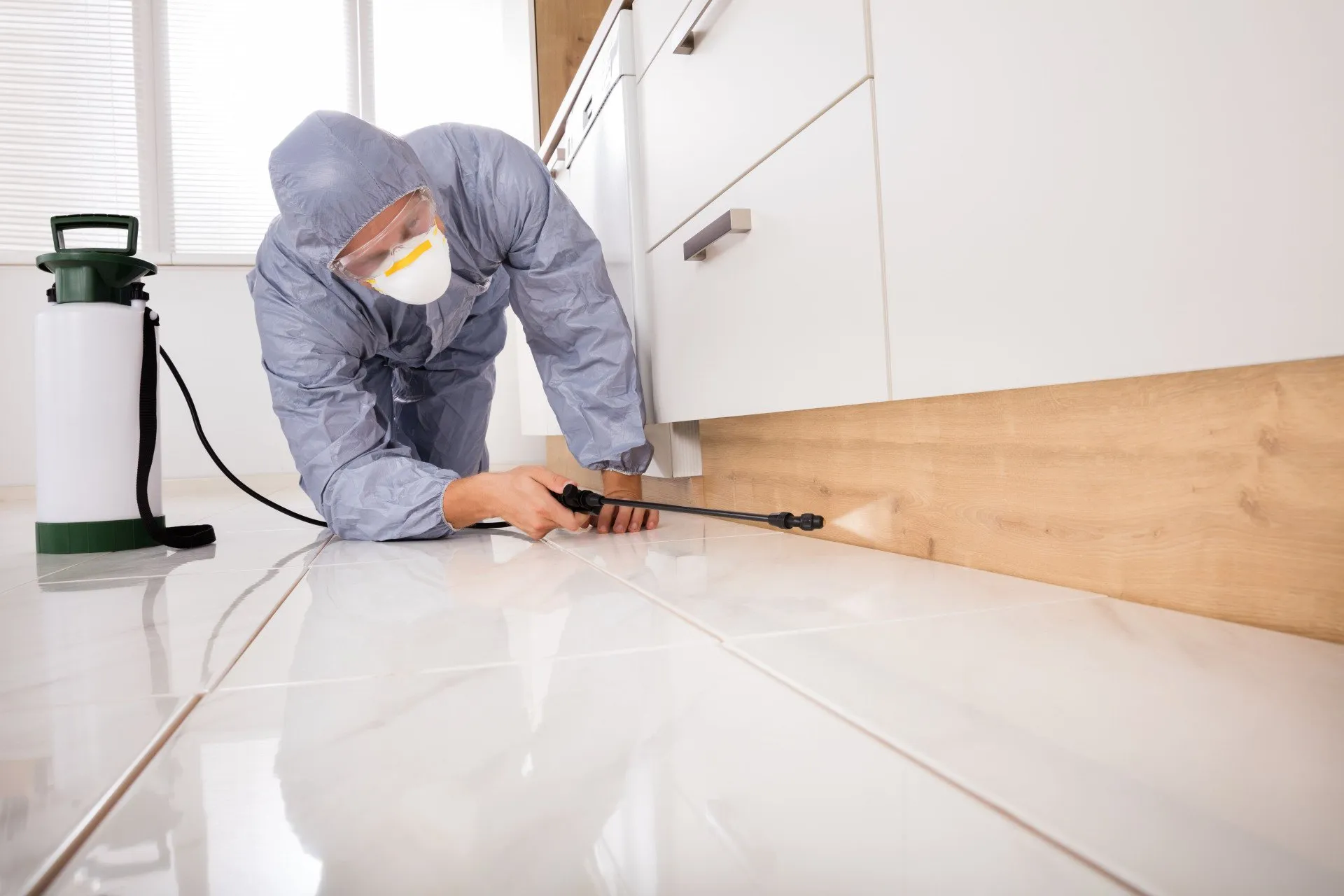
A well-maintained home rarely stays that way by accident. Fresh paint, a solid roof, efficient plumbing, and dry foundations all matter, but one of the most overlooked parts of long-term care is pest prevention. Many homeowners think of pest control as a reaction to a bad surprise, a line of ants crossing the kitchen counter, scratching in the attic, a wasp nest under the eaves. In practice, Pest Control Services belong much earlier in the maintenance cycle. They protect the structure itself, preserve indoor air quality, reduce repair costs, and help every other home system perform the way it should.
Anyone who has spent time around property maintenance learns this quickly. A small moisture issue under a sink can become a cockroach harbor. Gaps around utility lines can turn into mouse entry points. Mulch piled too high against siding can hold dampness, invite insects, and quietly shorten the life of exterior materials. By the time a homeowner notices visible damage, the problem often has a long history.
The reason pest control matters so much over the long haul is simple. Pests do not just appear, cause a brief nuisance, and leave. They exploit weakness. They find water, food, shelter, and access. Once they settle in, they create a chain reaction that affects insulation, wiring, wood framing, stored goods, ventilation, and sanitation. That is why experienced homeowners and property managers treat pest control less like an emergency service and more like a standing part of preventive maintenance.
Pests expose the weak spots in a house
Every house has pressure points. Weather strips wear down. Crawl spaces stay too humid. Garage doors stop sealing tightly at the corners. Vents lose their screens. Tree limbs brush rooflines. None of these issues automatically creates a major problem, but pests are remarkably good at locating exactly where a building is vulnerable.
Termites are the clearest example because the financial stakes can be serious. They thrive where wood and moisture meet, often in places a homeowner never sees during day-to-day life. A damp sill plate, untreated lumber in a crawl space, or poor drainage along a foundation can support activity for months or years before outward signs appear. The eventual repair bill is rarely limited to treatment. It can also include replacing framing, subflooring, trim, drywall, or flooring finishes that had to be removed to reach the damaged area.
Rodents reveal a different category of weakness. Mice can fit through openings as small as a dime in practical terms, and rats exploit larger gaps around roof returns, crawl space vents, and utility penetrations. Once inside, they do not merely consume pantry goods. They chew wiring insulation, shred attic insulation for nesting, contaminate storage with droppings, and create odors that can linger in wall voids. In colder months, they move indoors because homes offer warmth. In dry months, they follow water sources. Either way, their presence usually points to access issues that need correction, not just trapping.
Even insects that seem more annoying than destructive can tell you something useful about the condition of a home. Silverfish suggest elevated humidity. Carpenter ants often indicate damp wood. Roaches can signal hidden moisture, cluttered voids, or food residue in difficult-to-clean spaces. When handled properly, a pest issue is not just a problem to eliminate. It is feedback on the health of the building.
The cost of waiting is almost never limited to extermination
Homeowners sometimes postpone professional treatment because they want to avoid what they imagine will be an expensive service call. That calculation often misses the larger picture. The cost of neglect tends to spread into materials, labor, cleanup, and lost time.
A minor rodent issue in an attic can lead to insulation replacement if contamination becomes widespread. A colony of termites discovered during a real estate transaction can complicate the sale, trigger further inspection requirements, and force last-minute repair negotiations. Stored product pests in a pantry can ruin food, but they also send homeowners emptying cabinets, deep-cleaning shelves, and replacing containers. Bed bug treatment, in the wrong context, can involve laundering nearly every fabric item in a room and reducing clutter to make treatment effective. The service itself may be only one part of the final cost.
There is also the hidden expense of repeated do-it-yourself attempts that do not address the source. Store-bought sprays, glue boards, and bait stations have their place, but they often work best when paired with proper identification and exclusion. Spraying for ants without finding the moisture source can produce a short lull followed by a larger return. Setting traps for mice without sealing the entry points becomes a cycle, not a solution. A homeowner may spend modest amounts over and over again while the property continues to degrade in the background.
Pest control is really a building science issue
The strongest Pest Control Services are not based on chemicals alone. They are built on inspection, moisture management, sanitation, exclusion, and habitat modification. That is why the best technicians often think like maintenance professionals. They look at roof edges, grading, downspout discharge, crawl space conditions, landscaping, caulk failure, attic ventilation, and storage habits. They know that the bug or rodent itself is only part of the story.
Take moisture, for example. Many persistent pest issues can be traced back to excess water or high humidity. Poor drainage near a foundation softens soil and raises moisture in crawl spaces and basements. Leaking hose bibs create an inviting perimeter for ants https://cristianeluo274.lumenforgex.com/posts/integrated-pest-control-services-for-lasting-results and other insects. Condensation around HVAC components supports mold and attracts pests that favor damp environments. Fixing those conditions does more for long-term control than any one-time treatment can.
The same applies to exclusion. A quarter-inch gap under a side door may not look dramatic, but it can be enough for mice, insects, and drafts. Torn vent screens, missing chimney caps, and uncapped plumbing penetrations all create entry points. Homes are full of transitions between materials, siding to brick, pipe to drywall, flashing to trim, and each transition is an opportunity for intrusion if it is not sealed or maintained.
This is one reason pest control overlaps naturally with other service trades. Roofers notice compromised flashing and open soffits. Plumbers find hidden leaks under tubs and behind appliances. HVAC technicians see condensation issues, disconnected ducts, and damaged crawl space barriers. A homeowner who brings these observations together has a much better chance of stopping recurring pest activity.
Seasonal patterns matter more than many people realize
Pest pressure changes through the year, and maintenance plans should reflect that reality. Spring often brings ant activity, termite swarms, and renewed pressure from overwintering pests becoming active again. Summer tends to increase mosquito, wasp, and outdoor ant issues, especially where standing water and dense vegetation are present. Fall is prime time for rodents seeking indoor shelter before temperatures drop. Winter does not eliminate pest concerns, it simply shifts them indoors, where hidden harborage areas become more important.
This seasonal rhythm is one reason recurring service often makes sense for long-term homeowners. A well-run quarterly or bi-monthly program is not just a routine spray. It creates a repeating inspection schedule. Small issues are more likely to be caught early, whether that means a moisture problem near the crawl space hatch, a developing gap around a utility line, or signs of rodent activity before nesting becomes established.
In older homes, the value of this rhythm becomes even clearer. Older houses often have more architectural charm, but they also tend to have more voids, more settling, and more layers of past repairs. Those features can make them easier for pests to exploit. Newer homes are not immune either. Tight building envelopes can reduce some access points, but construction debris left in wall cavities, irrigation overspray against siding, or landscaping installed too close to the structure can still create conditions pests like.
What professional service adds beyond a can and a trap
There is a place for homeowner vigilance. No one knows a house better than the person living in it. Still, professional pest control brings a level of diagnosis that is hard to replicate with retail products alone.
A trained technician can usually distinguish between occasional invaders and an established infestation. That difference matters. A few ants after heavy rain may suggest temporary displacement from outdoor nesting. Repeated activity in a specific wall near a plumbing line suggests something more structural. Seeing one mouse in a garage is different from finding rub marks, droppings, and nesting evidence across attic insulation.
Professionals also know where to look. Many infestations start in places homeowners rarely inspect closely: behind insulation batts, beneath vapor barriers, inside expansion joints, around bath traps, under dishwashers, and along attic knee walls. A careful inspection often turns up conditions that have little to do with pesticides and everything to do with the home envelope.
Then there is product knowledge. Different pests respond to different strategies, and misuse of over-the-counter treatments can make problems worse. Repellent products may scatter certain insects deeper into walls. Improper bait placement can fail entirely. Foggers can create false confidence while leaving harborages untouched. Effective control depends on identification first, then choosing the right method.
The signs that should never be ignored
Some pest activity is obvious, but the subtler clues are usually more important because they offer a chance to intervene early. Homeowners who want to protect the long-term condition of their property should pay attention to a handful of recurring warning signs:
- Soft, blistered, or hollow-sounding wood near trim, baseboards, or exterior framing.
- Fine droppings, shredded material, or greasy rub marks in attics, garages, or under sinks.
- Persistent insect activity near one moisture source, such as a leaking faucet, condensate line, or basement corner.
- Mud tubes, discarded wings, or swarming insects near foundations and windows.
- Unusual odors in wall cavities, crawl spaces, or closed rooms that do not resolve with cleaning.
None of these signs guarantees a severe infestation, but each deserves attention. The goal is not to panic. It is to investigate before a manageable issue grows expensive.
Pest control protects more than structure
The maintenance conversation often centers on damage, and for good reason, but there is also the matter of day-to-day livability. A house can remain structurally sound and still become unpleasant, unhealthy, or difficult to manage if pests gain a foothold.
Rodent and cockroach allergens can affect indoor air quality. Stored product pests can spread through dry goods and create a cycle of disposal and cleaning. Fleas can move from pets into flooring and upholstered furniture. Mosquito-heavy yards reduce the usefulness of outdoor spaces that homeowners have invested money to improve. Carpenter bees can turn attractive exterior wood features into recurring repair items. When pest control is folded into regular maintenance, the house functions better as a place to live, not just as an asset to preserve.
This matters especially for households with children, older adults, or anyone with respiratory sensitivities. It also matters for people who travel often or manage second homes. A vacant or lightly used property can develop a serious issue before anyone notices. In those cases, scheduled Pest Control Services provide an extra layer of observation that supplements routine property checks.
Prevention is more affordable than restoration
The logic here is similar to HVAC tune-ups or roof inspections. You do not perform maintenance because failure is guaranteed tomorrow. You do it because every small adjustment reduces the chance of costly damage later.
A modest annual or quarterly pest program is often far less expensive than one structural repair, one attic insulation replacement, or one emergency wildlife removal followed by entry-point sealing. The same thinking applies to landscaping and exterior upkeep. Trim back vegetation from siding, keep mulch from piling against foundation walls, direct water away from the home, and maintain screens, weather seals, and vents. These are not glamorous tasks, but they produce compound benefits over time.
One of the more common patterns seen in the field is the homeowner who spends generously on visible upgrades while skipping the hidden basics. A kitchen remodel may include premium cabinets and stone counters, yet the crawl space below still has standing water and open vents. A beautiful backyard may have fresh fencing and lighting, but dense foundation plantings hold moisture and conceal termite activity. Cosmetic investment without preventive maintenance is a risky imbalance.
A practical maintenance rhythm for homeowners
Most homes do not need constant treatment, but they do benefit from a consistent routine. A simple rhythm keeps pest prevention connected to the rest of home care instead of turning it into an afterthought:
- Inspect the exterior at least once each season, paying attention to gaps, screens, grading, and vegetation touching the home.
- Address moisture quickly, from plumbing drips to gutter overflow to damp crawl space conditions.
- Store food, pet feed, and seasonal items in sealed containers rather than cardboard when possible.
- Schedule professional inspections or recurring service based on local pest pressure, home age, and prior history.
- Treat sightings as clues, not isolated annoyances, especially when activity repeats in the same area.
This approach works because it is realistic. It does not require obsessive monitoring or constant chemical use. It simply builds pest awareness into the same schedule homeowners already use for filters, gutters, and roof checks.
Choosing the right service for the property
Not every home needs the same plan. A townhome on a slab in a dense urban area has different risks than a wooded property with a crawl space and detached outbuildings. Climate matters. Construction type matters. So does the history of the property.
When evaluating pest control providers, homeowners should look for thoroughness more than speed. A good company asks questions about moisture, previous infestations, renovations, pets, and landscaping. It explains what it found, why the issue developed, and what combination of treatment and correction will make the biggest difference. It does not rely on vague assurances or one-size-fits-all language.
The best recommendations usually include both immediate action and environmental adjustment. For example, sealing a rodent entry point without discussing nearby food storage is incomplete. Treating termites without addressing drainage or wood-to-soil contact leaves the risk partially unresolved. Homeowners should expect the service relationship to include some education. Knowing why the problem developed helps prevent the next one.
The long view pays off
Long-term home maintenance is really the discipline of noticing small things while they are still small. Pest control fits that idea perfectly. It is part inspection, part prevention, part correction, and part stewardship. It protects structural materials, supports healthier indoor conditions, and helps homeowners avoid the kind of hidden damage that surfaces only after it has become costly.
People often think of a house as a fixed object, but every home is part of a living environment. Soil shifts. Weather changes. Organic debris accumulates. Landscaping matures. Pests respond to those changes quickly. Homes that age well usually do so because someone is paying attention, not just to the visible finishes, but to the quiet systems that keep the structure sound.
That is why long-term home maintenance starts with Pest Control Services. Not because pests are the only threat to a house, but because they are often the first sign that something else needs attention. When that sign is taken seriously, homeowners protect more than their walls and floors. They protect the value, comfort, and lifespan of the place itself.
Affordable Pest Solutions LLC
Phone number: +19732299547
FAQ About Pest Control Services
How much does pest control charge?
For a standard 1,500-square-foot home, professional pest control charges generally average $100 to $300 for an initial visit, with ongoing monthly services running $40 to $75 per visit and one-time emergency exterminations costing $100 to $600, depending heavily on the specific pest and the severity of the infestation.
What is the hardest pest to get rid of?
Bed bugs are widely considered the hardest household pest to get rid of, closely followed by German cockroaches and subterranean termites.
What is included in a pest control service?
A standard pest control service includes a property inspection, targeted treatments, and prevention advice. It typically covers common pests like ants, spiders, and cockroaches, using sprays, baits, or traps.