Pest Control Services for Apartments, Condos, and Rental Properties

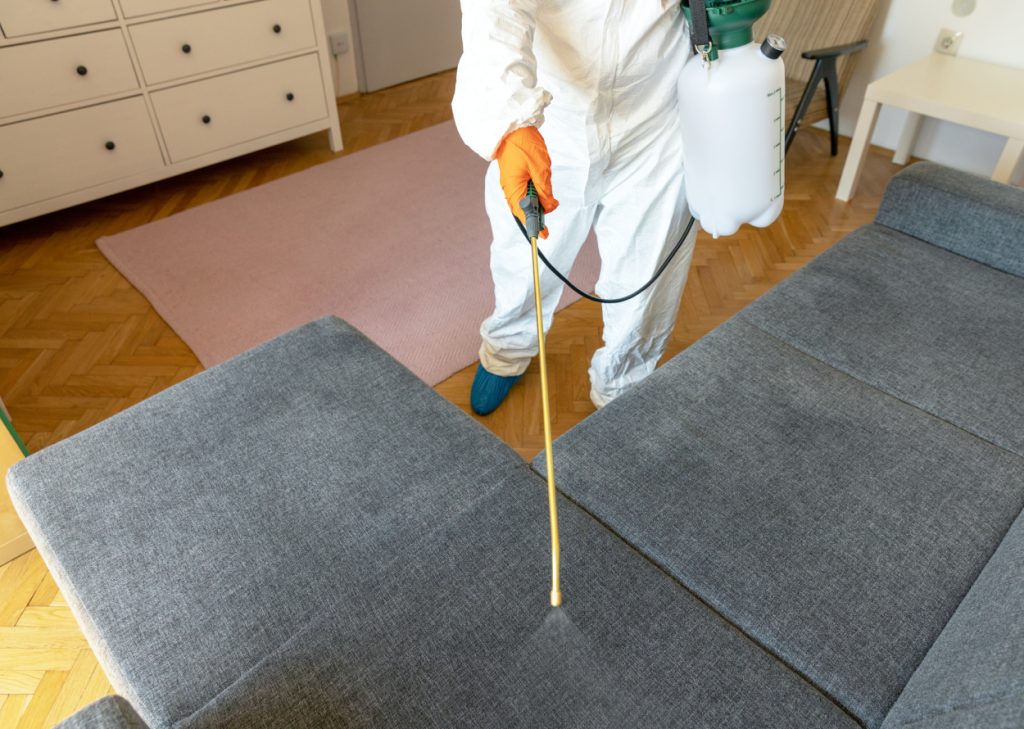
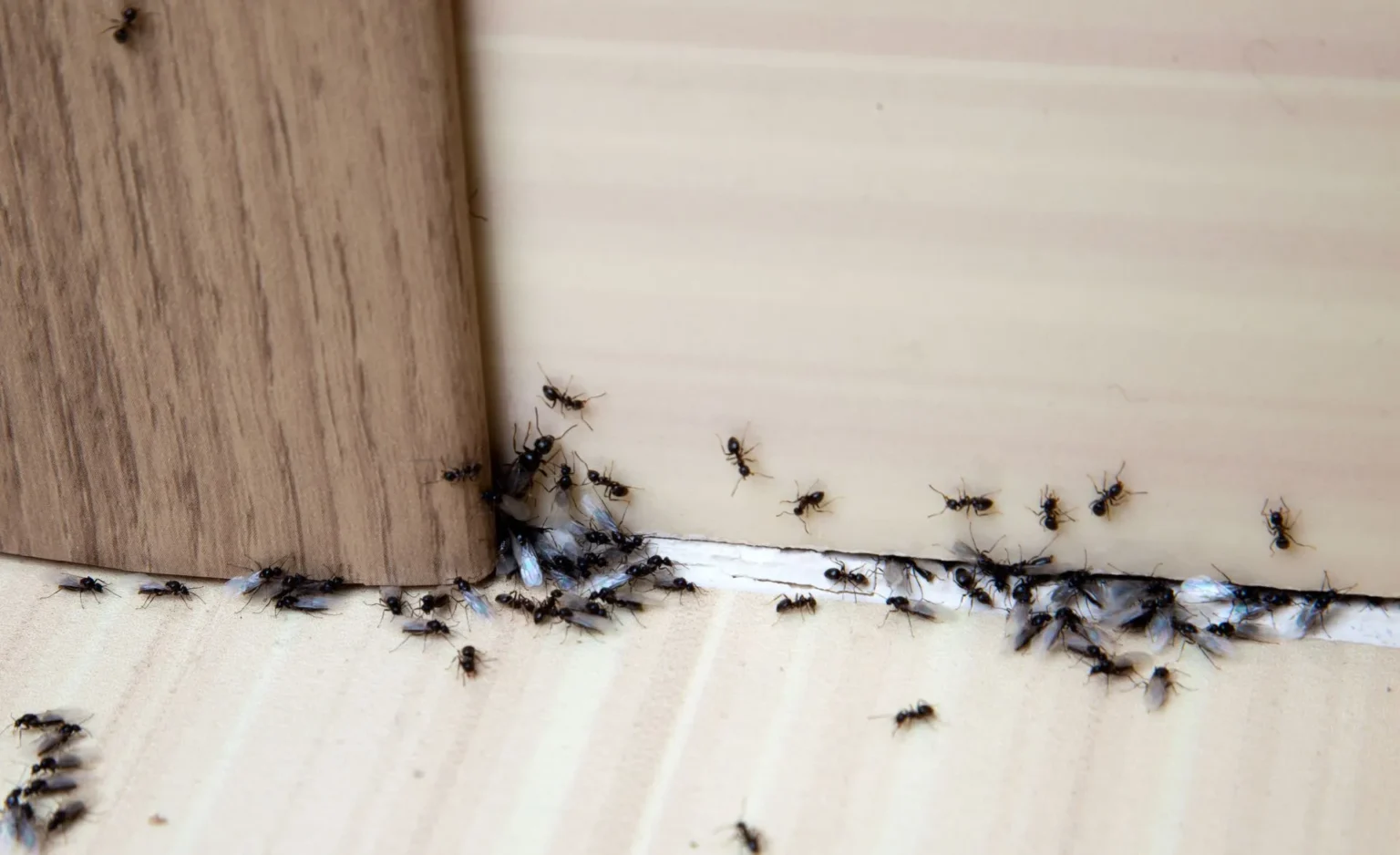
Pest problems behave differently in multifamily housing than they do in a detached single-family home. That difference matters. In an apartment building, a roach problem behind one refrigerator rarely stays behind one refrigerator. In a condo tower, an ant trail entering through one balcony door can become a building-wide maintenance issue once landscaping, drainage, and shared walls are involved. In a rental property, a mouse gap under one sink can turn into tenant complaints, bad reviews, lease friction, and repeated turnover costs if no one addresses the root cause.
That is why Pest Control Services for apartments, condos, and rental properties require a more disciplined approach than a one-time spray and a promise. Success depends on access, documentation, cooperation between residents and management, and a clear understanding of where responsibility begins and ends. It also depends on something property owners often underestimate, timing. A pest issue handled in the first week is usually manageable. The same issue ignored for six weeks can spread across units, trigger sanitation concerns, and become far more expensive to resolve.
People who manage multifamily housing already know that pests are never just pests. They affect retention, maintenance schedules, online reputation, legal exposure, and resident trust. A tenant who sees silverfish in the bathroom may shrug it off. A tenant who finds bed bugs after reporting a neighboring unit for months will not. The quality of the response becomes part of the property experience.
Why multifamily properties are uniquely vulnerable
Shared walls, shared utility lines, and shared habits create ideal conditions for pests. Roaches move through plumbing penetrations, wall voids, and electrical pathways. Mice can travel along pipe chases and slip into adjacent units through openings the width of a fingertip. German cockroaches, the species that causes the most headaches in apartments, do not need much space, and they thrive where moisture, grease, cardboard, and food residue are consistent. One cluttered kitchen in a row of otherwise clean units can sustain a population that repeatedly spills into neighboring homes.
Condos add another layer of complexity because ownership is split. A resident may own the interior of the unit, while the association controls common areas, roofs, exterior walls, landscaping, trash enclosures, and sometimes plumbing systems. That division can slow action if no one knows who is responsible for treating what. I have seen simple ant problems turn into month-long disputes because one side insisted the problem started outside while the other insisted it was an interior housekeeping issue. Meanwhile, the ants kept moving.
Rental properties present a different challenge. Landlords often https://daltonptlu322.almoheet-travel.com/modern-pest-control-services-using-advanced-treatment-methods need to balance habitability obligations, limited access to occupied units, and the practical issue that some tenants are cooperative while others are not. A treatment plan can fail if residents do not prepare the unit, continue leaving pet food out overnight, or block entry for follow-up service. Good Pest Control Services account for human behavior, not just insect biology.
Seasonality also plays a role, though not always in the way residents expect. Many people associate pest activity with summer, but property managers often see rodent issues intensify in fall and winter as mice seek warmth, and bed bug complaints can rise any time turnover, travel, and used furniture increase. Moisture-loving pests such as drain flies and springtails can become persistent during humid periods or after plumbing leaks. There is no true off-season in multifamily pest management. There are only changing patterns.
The pests that cause the most disruption
Cockroaches remain one of the most common and most difficult apartment pests. Not all roaches create the same problem. Large occasional invaders, such as American cockroaches, often enter from sewers, basements, or exterior gaps and may be controlled through sanitation, exclusion, and targeted treatment. German cockroaches are different. They reproduce quickly, hide near food and heat sources, and spread easily between units. If a technician finds them in one apartment, a smart property manager does not assume the problem stops at that front door.
Bed bugs are disruptive in a different way. They do not spread disease in the traditional public health sense, but the emotional toll is real. Residents lose sleep, throw away furniture, panic, and often blame management, neighbors, or housekeeping when the source is not immediately obvious. Bed bug work also requires precision. It is not a problem for improvisation. Poorly coordinated treatment can scatter the infestation, increase resident anxiety, and lead to repeat service calls.
Rodents bring both structural and health concerns. A mouse sighting in a kitchen is one issue. Rodent activity in wall voids, attic spaces, laundry rooms, or trash areas suggests broader access points and harborage. Rats, where present, raise the stakes even more. Exterior conditions like overgrown vegetation, overflowing dumpsters, and gaps under service doors often play a larger role than residents realize.
Ants are sometimes dismissed as minor, but in condos and rentals they can become a recurring source of frustration because the visible trail is rarely the real problem. The colony may be outside under a walkway, behind siding, or beneath a slab. Killing the few foragers on the counter does little if moisture, sweet residue, or structural access remains unchanged.
Then there are the pests that signal environmental issues. Drain flies often point to biofilm buildup or moisture. Stored product pests may reveal pantry neglect in one unit or poor housekeeping in a common-area break room. Termites are less common in high-rise environments but very relevant in garden-style apartments, townhouse rentals, and wood-frame multifamily buildings.
What effective service looks like in practice
The best Pest Control Services for multifamily housing are systematic. They begin with inspection, not assumptions. A technician should not treat an apartment complex the same way they treat a suburban ranch house. The inspection needs to account for unit adjacency, shared walls, utility penetrations, trash handling, laundry rooms, storage spaces, exterior grading, landscaping, and maintenance history.
A good provider will ask practical questions. How long has the issue been present? Is it isolated to one stack of units or spread across several floors? Are there recent plumbing leaks? Have residents moved in or out recently? Is there a language barrier affecting prep instructions? Has housekeeping in common areas changed? Those questions often reveal why a recurring problem keeps returning despite repeated treatments.
Treatment itself should be targeted and defensible. Broad routine spraying is rarely the answer indoors, especially in occupied multifamily housing. Baits, dusts, crack-and-crevice applications, exclusion work, monitoring devices, and sanitation recommendations are usually more important than visible liquid treatment. The details matter. For example, baiting for German cockroaches in a kitchen with heavy grease buildup will not perform well unless the environment is also cleaned. Sealing mouse gaps without addressing food sources in a trash room can limit one pathway while preserving the infestation.
Follow-up is where many programs succeed or fail. In apartments and rentals, one visit often starts the process rather than finishes it. Roach cleanouts, bed bug programs, and rodent exclusion campaigns usually need reinspection and adjustment. If the provider cannot return, document progress, and coordinate with management, the burden shifts back onto already busy staff.
The role of management, landlords, and associations
Property managers and landlords sometimes hope pest control companies can solve any problem independently. In reality, even the best technician can only do so much without support from the property side. Access must be arranged. Units with repeated complaints should be tracked. Leaks should be fixed promptly. Housekeeping in trash rooms and common areas must be consistent. If a resident needs prep instructions for bed bug treatment or kitchen cleanout, those instructions need to be clear, translated if necessary, and enforced with enough lead time to be realistic.
Condo associations face a communication challenge. Owners may be responsible for what happens within their walls, yet infestations can move beyond ownership boundaries. Associations that handle this well usually establish a written policy before there is a crisis. The policy explains when the association steps in, how adjoining units are inspected, what documentation is required, and how costs are allocated if responsibility is disputed. That may sound administrative, but it prevents delays that make infestations worse.
Landlords of single rental units inside larger buildings face one more wrinkle. If they own one condo in a building and their tenant reports pests, the problem may involve association-controlled areas. That means the landlord needs both a private pest control vendor and a cooperative relationship with building management. Waiting for someone else to act can leave the tenant stuck in the middle.
A short checklist when complaints begin
When a pest issue is first reported, the property side can help or hinder the outcome in the first 48 hours. These steps usually make the difference:
- Record the exact complaint, including pest type, location, date, and time of day.
- Check nearby units, not just the one that called, especially above, below, and beside the affected home.
- Look for contributing conditions such as leaks, food debris, trash overflow, and unsealed gaps.
- Schedule treatment quickly and provide residents with specific prep instructions in writing.
- Document what was found and what was done, so repeated complaints can be compared against a real service history.
This kind of documentation is not busywork. It helps distinguish a new issue from an unresolved one, and it protects owners and managers if disputes arise later.
Resident cooperation is not optional
In occupied housing, pest control is part technical service and part behavior management. Most residents want the problem gone and are willing to cooperate. Some simply do not understand what cooperation means. Telling a tenant to "prepare the kitchen" is too vague. Telling them to empty the cabinet under the sink, wipe grease from behind the stove, store food in sealed containers, and keep pets out of treated areas during the appointment is far more effective.
There are also sensitive situations. Elderly residents, tenants with mobility limitations, families with small children, and residents dealing with hoarding conditions may need more support than a standard notice on the door. A rigid service policy can break down quickly if no one accounts for those realities. Strong property teams often coordinate pest work with social services, housekeeping assistance, or maintenance labor when the condition of the unit makes treatment difficult.
This is especially true for bed bugs. Successful treatment often depends on laundering, reducing clutter, preparing beds and upholstered furniture, and avoiding counterproductive actions like moving infested items into hallways or spraying random store-bought chemicals around the unit. Residents under stress often do exactly that unless someone gives calm, specific guidance.
When low-cost service becomes expensive
Price matters, especially for large portfolios, but low-bid pest service often creates avoidable cost later. A provider who spends five rushed minutes in each unit, treats only where the resident points, and leaves no meaningful notes may appear economical on paper. Then the callbacks begin. Maintenance loses time coordinating repeat visits. Tenants become frustrated. Vacant units take longer to turn. Online complaints start mentioning roaches, mice, or bed bugs by name. At that point, the savings have disappeared.
The better question is not "What does monthly service cost?" But "What level of service reduces total property risk?" For one building that may mean routine common-area service plus as-needed unit treatments. For another, especially an older property with chronic issues, it may mean an intensive integrated pest management program with regular inspections, monitoring, sealing recommendations, and close manager communication.
There is also a false economy in relying solely on resident-purchased products. Foggers, over-the-counter repellents, and misapplied insecticides often drive pests deeper into wall voids or scatter them into adjoining units. A can of spray can turn a localized problem into a building problem.
Signs that a property needs a more serious pest program
Some properties do not need a full overhaul. Others clearly do. These patterns usually indicate that routine spot treatment is no longer enough:
- Complaints recur in the same units or the same building section every month.
- Staff treat symptoms repeatedly, but no one addresses leaks, trash handling, or entry points.
- Multiple residents report pests in adjoining units, especially along one stack or corridor.
- Turnover inspections regularly uncover hidden infestations after move-out.
- Vendors provide little documentation beyond a generic invoice.
At that stage, a property usually benefits from a full site review, not another isolated service call. That review should connect pest activity to building conditions and resident patterns, then map out what belongs to pest control, what belongs to maintenance, and what belongs to management.
Prevention is maintenance, not magic
The most reliable pest prevention measures are ordinary building practices done consistently. Seal gaps around pipes. Repair torn door sweeps. Keep dumpster lids closed and pickup schedules adequate for the waste volume. Clean grease from shared kitchen or lounge areas. Fix leaks quickly. Trim vegetation back from exterior walls. Improve drainage where water pools near foundations or breezeways.
Older apartment communities often have structural realities that make total exclusion difficult. Settled slabs crack. Utility retrofits leave openings. Exterior stairwells and breezeways create sheltered travel paths for insects. That does not mean prevention is hopeless. It means expectations should be realistic and maintenance should be prioritized based on impact. Sealing ten key mouse entry points can matter more than treating ten isolated sightings.
Vacant units deserve special attention. A dark, quiet unit with an unnoticed leak or uncleaned kitchen can become a pest reservoir between move-out and re-rent. Good turnover protocols include a pest inspection, not just paint and carpet. If a unit has sat empty for weeks, flushing toilets, checking drains, and inspecting under sinks can catch conditions that residents would otherwise discover after move-in.
Bed bugs and the importance of procedure
Few issues test a property's systems like bed bugs. The biological challenge is only half the battle. The administrative side is just as important. Reports need to be handled discreetly but urgently. Adjoining units often need inspection. Residents need simple instructions and realistic deadlines. Management needs to know whether treatment includes follow-up visits, what preparation is required, and whether furniture encasements or laundering support are recommended.
The biggest mistakes are usually delay, denial, and inconsistency. Delay gives bed bugs time to spread. Denial makes residents lose trust. Inconsistency, where one unit receives proper treatment while the neighboring unit is never inspected, undermines the entire effort. This is one area where experienced vendors earn their keep. A provider with multifamily bed bug experience will already have protocols for access, preparation, tenant communication, and reinspection.
Documentation, liability, and reputation
Pest complaints can become legal issues, especially when they intersect with habitability standards, lease disputes, or health concerns. That does not mean every complaint becomes a lawsuit. It does mean owners and managers should treat records seriously. Date the complaint. Record the inspection findings. Keep copies of notices, prep instructions, and service reports. Note any access refusals or missed appointments. If maintenance corrected a leak or sealed openings, tie that work to the pest record.
Good records also improve operations. They show whether a problem is tied to one resident, one area of the building, one seasonal pattern, or one unresolved structural condition. Over time, that allows smarter budgeting. Instead of spending reactively on repeated emergency calls, management can direct funds toward the leaks, door repairs, sanitation changes, or exclusion work that actually lowers pest pressure.
Reputation is harder to measure but just as real. Prospective tenants read reviews carefully, and pest complaints carry more weight than most routine maintenance gripes. People can forgive a slow paint touch-up. They do not easily forget roaches in the kitchen or bites after move-in. Reliable Pest Control Services are not just a maintenance line item. They are part of resident retention and leasing performance.
Choosing a provider that understands multifamily housing
Not every pest company is set up for apartments, condos, and rentals. The right fit is a provider that can work within occupied environments, communicate well with both management and residents, and document service clearly enough that recurring issues can be tracked. Technical skill matters, but so does organization.
Ask practical questions before signing a contract. How do they handle adjoining-unit inspections for cockroaches or bed bugs? What kind of service notes do they provide? Can they coordinate with maintenance on exclusion recommendations? How quickly can they respond to occupied-unit complaints? Do they have experience dealing with access problems and resident prep failures? Can they distinguish between routine preventive service and a true building-wide infestation that requires a larger plan?
A capable vendor will not promise that pests will disappear forever after one visit. They will explain the likely source, the treatment approach, what support they need from the property, and what reasonable timeline to expect. That kind of honesty is usually a better predictor of results than a polished sales pitch.
Where good pest control fits in the larger property strategy
The properties that handle pests best usually do not treat them as isolated emergencies. They fold pest management into the larger operating system of the building. Turnover teams know what to inspect. Maintenance knows which gaps and leaks matter most. Managers know how to log complaints and trigger follow-up. Residents receive clear communication. Vendors provide actionable notes instead of vague summaries.
That structure matters because pests exploit disorder. They thrive where no one connects the leaking pipe to the drain flies, the broken sweep to the mice, the trash overflow to the roaches, or the repeated complaint on the third floor to the untreated unit on the second. The buildings that stay ahead of infestations are rarely the newest or most expensive. They are the ones where inspection, maintenance, sanitation, and communication work together.
For apartments, condos, and rental properties, that is what effective Pest Control Services really mean. Not a quick spray. Not a generic contract. A coordinated system that protects residents, preserves the asset, and solves the actual problem before it spreads beyond one unit and becomes everyone else's.
Affordable Pest Solutions LLC
Phone number: +19732299547
FAQ About Pest Control Services
How much does pest control charge?
For a standard 1,500-square-foot home, professional pest control charges generally average $100 to $300 for an initial visit, with ongoing monthly services running $40 to $75 per visit and one-time emergency exterminations costing $100 to $600, depending heavily on the specific pest and the severity of the infestation.
What is the hardest pest to get rid of?
Bed bugs are widely considered the hardest household pest to get rid of, closely followed by German cockroaches and subterranean termites.
What is included in a pest control service?
A standard pest control service includes a property inspection, targeted treatments, and prevention advice. It typically covers common pests like ants, spiders, and cockroaches, using sprays, baits, or traps.