Signs You Need Professional Pest Control Services Right Away
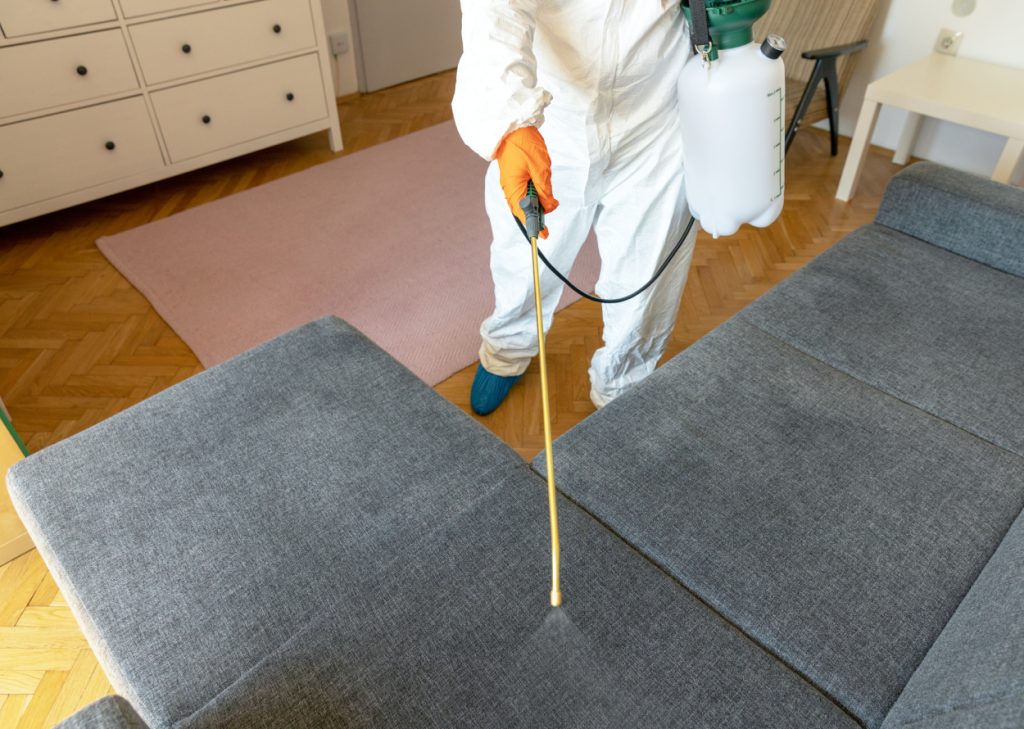
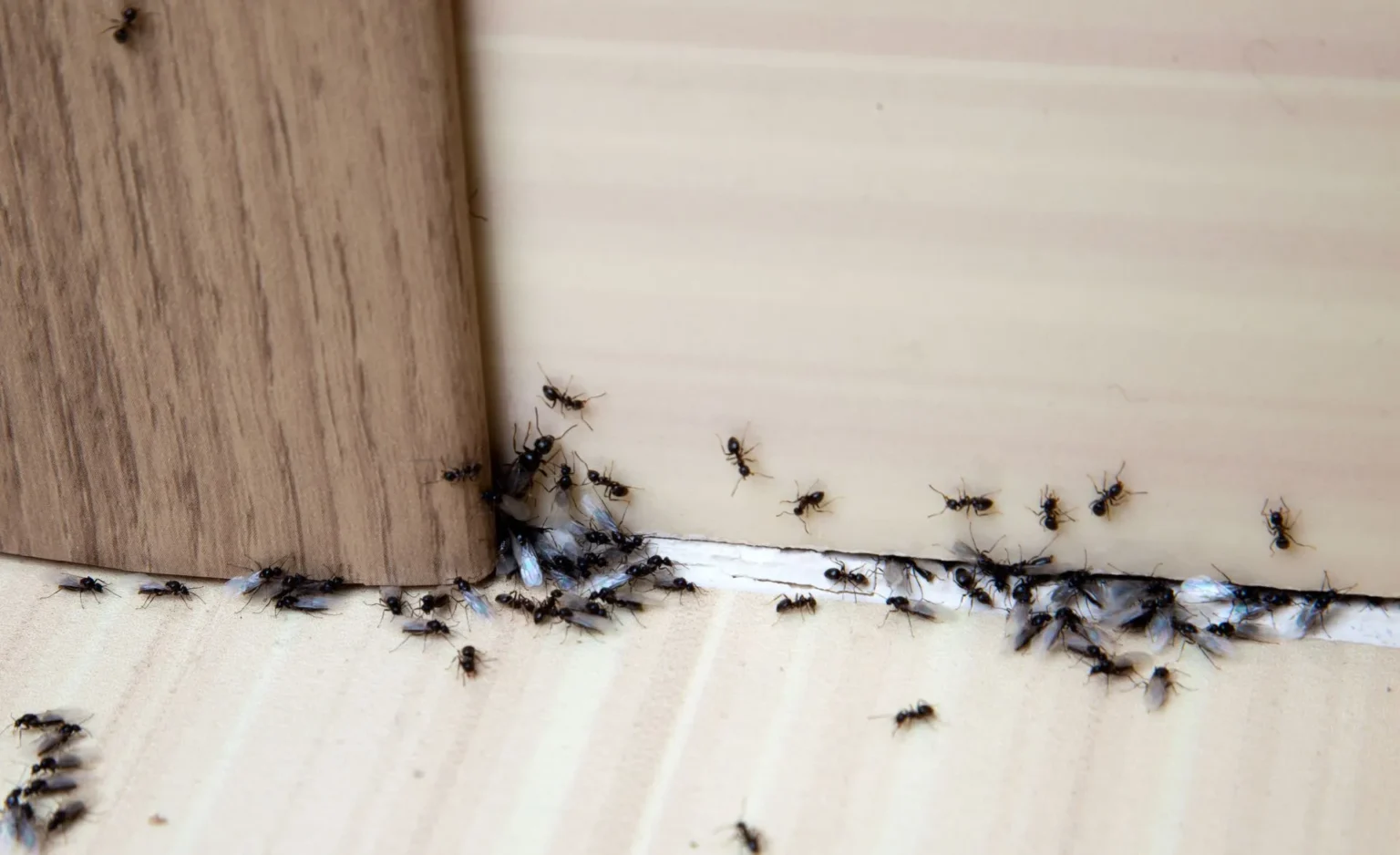

Most pest problems do not start dramatically. They begin with a faint scratching sound behind a wall, a few droppings under the sink, one cockroach seen late at night, or a line of ants that appears and disappears before breakfast. That quiet beginning is exactly why people wait too long. By the time the issue feels undeniable, the infestation is often established, spreading, and more expensive to correct.
There is a practical difference between handling an occasional nuisance and facing a true infestation. A single spider in a garage is not the same as fresh termite frass collecting under a beam, and one ant near a door is not the same as workers streaming from a wall void. Good judgment matters here. Some pests are mostly a frustration. Others threaten health, food safety, wiring, insulation, wood framing, and peace of mind. Knowing when to stop trying store-bought fixes and call for professional Pest Control Services can save money, prevent property damage, and shorten the disruption to your household or business.
When a pest problem stops being minor
A lot of people assume they should call only when the situation becomes severe. https://jeffreywakc835.wpsuo.com/pest-control-services-for-winter-spring-summer-and-fall In reality, the best time to bring in a trained technician is when the signs point to hidden activity, rapid reproduction, or structural risk. Pests are good at staying out of sight. Roaches tuck into wall cavities and appliance motors. Mice move through attics, crawl spaces, and cabinets. Termites can feed behind drywall for months before anyone notices the damage from the outside.
That hidden behavior is one reason home remedies often disappoint. Sprays may kill the insects you can see while leaving the nest, colony, or access point untouched. Traps may catch a few mice while others continue breeding behind storage boxes in the garage. Repellents can even drive pests deeper into walls, which makes the problem look smaller while it actually grows.
The signs below are the moments when experience matters more than guesswork.
You are seeing pests in daylight, not just at night
Many common pests avoid people and prefer darkness. Roaches, rats, mice, and some ant species tend to move when the space is quiet. If you begin seeing them in daylight, especially repeatedly, it often means the population is large enough that normal hiding places are crowded or food pressure is high enough to force activity at all hours.
This is especially true with cockroaches. One roach on the kitchen floor during the day is not something to shrug off. In many homes, daytime sightings suggest a heavier infestation than most people realize. German cockroaches, in particular, reproduce quickly and stay close to warmth, moisture, and food. They are often found around refrigerators, dishwashers, sinks, and stove cavities. People sometimes clean thoroughly, set out bait from the hardware store, and feel hopeful for a week or two. Then the sightings continue. That pattern usually means the infestation is established in places that need a coordinated treatment approach.
The same logic applies to rodents. A mouse darting across the room at noon is not behaving like a lone explorer. It is a warning. Rodents prefer to travel along edges, inside walls, and under cover. Visible daytime activity usually means numbers are increasing or nesting areas are being disturbed.
Droppings keep appearing after you clean them up
Fresh droppings are one of the clearest signs that a problem is current, not historical. People often discover a few pellet-like droppings in a pantry, wipe them away, and tell themselves they will keep an eye on it. If more show up within a day or two, you are not monitoring a possibility anymore, you are looking at active movement through your home.
Rodent droppings are an obvious concern because they point to contamination risk in kitchens, pantries, and food storage areas. But insect waste matters too. Roach droppings can look like black pepper or coffee grounds in cabinet corners or along baseboards. Termite frass from drywood termites often resembles tiny wood-colored pellets beneath infested wood. Each type tells a different story, and that is where professional diagnosis helps. A trained eye can often tell whether the issue is recent, widespread, or tied to moisture, entry gaps, or a structural vulnerability.
There is also a health angle here. Droppings, urine, shed skins, and nesting material can aggravate allergies and asthma. In homes with children, older adults, or anyone immunocompromised, the threshold for waiting should be much lower.
You hear scratching, chewing, or movement inside walls or ceilings
Unexplained sounds at night are not always pests, but persistent scratching, gnawing, scurrying, or light thumping in walls, ceilings, or attics should never be ignored. Mice and rats are the usual suspects, though squirrels and other wildlife can create similar noises in some regions. The timing matters. Rodents are often most active after dark, when the house is quiet enough for subtle sounds to carry.
The reason this sign deserves urgency is simple. Rodents do not just occupy a space, they modify it. They chew cardboard, fabric, insulation, stored goods, and, critically, electrical wiring. Exposed or damaged wiring raises the risk of short circuits and fire hazards. In attics, their nesting can mat down insulation and reduce energy efficiency. In crawl spaces, they can contaminate insulation and vapor barriers.
People are often tempted to set a few traps and wait. Sometimes that works with a single mouse. It is a poor strategy when you are hearing repeated activity in multiple areas of the structure. At that point, removal alone is not enough. The source of entry has to be identified and sealed, nesting pressure has to be reduced, and sanitation issues have to be addressed.
There is visible property damage, even if it seems small
Small signs of damage are easy to discount because they rarely look dramatic at first. A chewed cereal box in the pantry, a soft spot in a window frame, bubbling paint near a baseboard, tiny holes in drywall, and grease marks along a wall can all feel minor in isolation. Together, they point to a larger issue.
Wood-destroying insects deserve special attention. Termites and carpenter ants do not behave the same way, and treating one as the other wastes time. Termites consume wood from the inside out, often leaving a thin surface layer intact until the damage becomes obvious. Carpenter ants excavate galleries and prefer wood softened by moisture. Either way, once visible signs appear, the hidden activity may have been going on for quite a while.
A homeowner once described what seemed like a harmless pile of dust near a door frame. It had been swept up twice. The third time, closer inspection revealed frass from drywood termites pushing out through a pin-sized kick-out hole. The damage behind that trim was far beyond what anyone would have guessed from the floor. That is a familiar story in pest work. The visible clue is often the smallest part of the problem.
You notice foul, musty, or unusual odors that do not go away
Pest infestations have a smell. Heavy cockroach activity can create an oily, musty odor that lingers in kitchens, utility rooms, or apartment walls. Rodent nesting areas often carry a stale, ammonia-like smell from urine. Dead pests in wall voids can cause a sharp, unpleasant odor that comes and goes with temperature changes and airflow. Wildlife in attics may create a strong, sour smell from droppings and nesting debris.
Odor by itself does not diagnose a pest issue, but persistent odor without another explanation is a strong reason to investigate promptly. This is especially true in multifamily housing, restaurants, food service settings, and offices, where odors can travel between units and indicate a shared problem. Professional Pest Control Services are valuable here because the source is not always where the smell is strongest. Air currents, plumbing chases, and wall voids can mislead even a careful property owner.
Bites, stings, or skin irritation are becoming a pattern
A single mosquito bite after an evening outside is not much of a mystery. Repeated bites indoors, especially overnight, deserve closer attention. Bed bugs are the pest that worries most people here, and for good reason. They spread easily through luggage, secondhand furniture, shared walls, and high-turnover living spaces. They are also psychologically exhausting. People lose sleep, wash everything repeatedly, and still feel uneasy in their own bedrooms.
The tricky part is that bites alone do not confirm bed bugs. Skin reactions vary a lot from person to person, and some people show no reaction at all. What raises concern is a pattern, bites after sleeping, tiny blood spots on bedding, dark fecal marks near mattress seams, or cast skins in bed frames and headboards. DIY treatment is notoriously unreliable because bed bugs hide in small cracks and can survive partial treatment efforts. Improper use of over-the-counter sprays can scatter them into adjoining rooms and make a manageable problem harder to contain.
Stinging insects also cross the line from nuisance to urgent when nests are close to entries, eaves, play areas, mailboxes, or air conditioning equipment. For households with anyone allergic to stings, even a modest nest should be handled professionally. That is not alarmism, it is risk management.
Your do-it-yourself efforts are not changing the pattern
A failed DIY attempt is one of the strongest indicators that professional help is needed. It is not because every store product is useless. Some work well in the right conditions. The issue is that pest control is rarely just about applying a product. It involves species identification, locating harborage, understanding reproductive cycles, spotting entry points, managing moisture, adjusting sanitation, and choosing treatment methods that fit the environment.
If you have cleaned thoroughly, sealed food, set traps or bait, and still see the same level of activity after a reasonable period, the problem is probably larger, better hidden, or more complex than it first appeared. That is common with roaches, ants, bed bugs, termites, and rodents. It is also common when neighboring units, shared walls, drainage issues, or exterior conditions are driving reinfestation.
There is another concern with prolonged DIY efforts. People often mix products, overapply sprays, or place bait incorrectly. That can reduce effectiveness and create unnecessary exposure risks for children, pets, and non-target wildlife. A professional approach should be targeted, measured, and based on inspection rather than frustration.
Pests are showing up where sanitation is critical
Any pest activity in a place tied directly to food, health, or vulnerable people deserves immediate attention. That includes commercial kitchens, pantries, restaurants, schools, child care centers, clinics, nursing facilities, and home kitchens where infants, older adults, or medically sensitive people live.
In these settings, the standard should be stricter. One mouse dropping in a pantry, one roach under a prep sink, or ant trails near stored ingredients are not annoyances to get around when there is time. They are signs that the environment is being used by pests in exactly the areas that matter most. The cost of waiting is not just treatment expense. It can include food loss, failed inspections, customer complaints, reputational damage, and, in some cases, health department consequences.
Professional Pest Control Services in these environments should focus on more than treatment alone. Good providers look at exclusion, waste handling, storage practices, moisture sources, incoming deliveries, and structural gaps. That systems view is what turns recurring problems into controlled ones.
Swarms, wings, or sudden population spikes are appearing
Some signs should move to the top of your priority list immediately. A termite swarm inside or near a window, piles of discarded wings, a sudden burst of flying ants indoors, or a large increase in pests over a short period all suggest an active reproductive event. That matters because reproduction changes the timeline. What felt manageable a week ago may no longer be manageable now.
Termite swarmers often show up in spring or after weather shifts, depending on species and region. People sometimes vacuum them up and assume the problem has passed. Unfortunately, swarmers are not the core problem, they are evidence of a mature colony. The same principle applies to large ant flights indoors. With some species, the winged insects are a seasonal event. With others, they point to nests within or very close to the structure.
A sudden spike in fruit flies, drain flies, fleas, or pantry pests can also signal a hidden breeding source. Fruit left out on a counter is an easy explanation, but when the numbers stay high after cleaning, the source may be a floor drain, a forgotten spill under an appliance, a pet resting area, or infested dry goods.
Neighbors or nearby units have the same problem
Pests do not respect property lines. In duplexes, apartments, townhomes, condos, strip malls, and even single-family neighborhoods with dense housing, your problem may not be yours alone. If neighboring units are dealing with roaches, bed bugs, rodents, or termites, your chances of reinfestation go up sharply.
This is one of the most frustrating situations for residents because personal cleanliness or effort does not solve a building-wide issue. I have seen immaculate apartments struggle with roach pressure because the unit next door had a leak behind the kitchen wall and active harborage under the sink. Likewise, a tenant can treat for bed bugs repeatedly while an untreated adjacent unit keeps the cycle alive. In these cases, waiting tends to increase the spread and the cost.
When multiple units are involved, professional coordination matters. A piecemeal approach usually drags the problem out. The better path is a building-level inspection and a plan that treats the source, not just the most vocal unit.
Seasonal changes are making an existing issue worse
Many infestations become more obvious during weather extremes. Rodents often move indoors as temperatures drop. Ants may invade during heat or drought in search of water. Stinging insects expand colonies through warmer months. Heavy rain can displace outdoor pests into garages, basements, and first-floor living spaces.
Seasonality does not make a problem temporary. If anything, it often reveals a structural weakness that has been there all along, such as poor door sweeps, unscreened vents, unsealed utility penetrations, damaged weatherstripping, standing water, or wood-to-soil contact. If the same type of pest returns every season, that is your sign that the root cause has not been resolved. Repeated seasonal pressure is exactly where professional assessment pays off.
What a fast professional response actually changes
Many people hesitate to call because they assume the visit will result in a generic spray and a bill. Good service looks very different. A qualified pest professional starts with inspection, identifies the pest accurately, evaluates the level of activity, and looks for the conditions allowing it to thrive. That may include moisture issues, food sources, cluttered harborage, structural gaps, failing seals, landscaping contact, or sanitation problems that are easy to miss in daily life.
The difference is precision. Instead of treating symptoms broadly, the technician targets the actual pest, the actual pathway, and the actual life cycle. For termites, that may mean confirming species and extent before recommending a treatment plan. For rodents, it may mean trap placement paired with exclusion work and attic assessment. For roaches, it often means a combination of baiting, crack-and-crevice treatment where appropriate, and sanitation corrections. For bed bugs, it means detailed inspection and a methodical treatment strategy, not a can of spray and good luck.
Speed matters too. Early intervention usually means fewer treatment visits, less disruption, and less damage. Waiting rarely improves the odds.
Signs that should not wait until next week
Some situations warrant same-day or next-day attention because the risk is immediate or the problem escalates quickly.
- Termite swarmers, discarded wings, or fresh frass around wood trim or windows
- Rodent activity in kitchens, pantries, or around electrical wiring
- Repeated daytime cockroach sightings, especially in food prep areas
- Suspected bed bugs after travel or after bites begin appearing overnight
- Stinging insect nests near doors, rooflines, play spaces, or HVAC equipment
If any of these are happening, it is time to stop monitoring and start acting.
Choosing help that is worth the cost
Not every service call is equal, and urgency should not push you into careless hiring. The best providers ask specific questions, explain what they are seeing, outline the treatment logic, and talk honestly about follow-up. They do not promise instant miracles for problems that realistically take time, and they do not rely on fear to make a sale.
Ask how they identify the pest, what treatment methods they use, whether exclusion or moisture correction is part of the recommendation, and what you should expect after the visit. A good company will explain the trade-offs. For example, with rodents, trapping may show results quickly while full exclusion takes more labor. With termites, treatment choices may depend on construction type, infestation location, and long-term monitoring goals. With bed bugs, preparation steps can affect outcome as much as the treatment itself.
Price matters, but cheap initial service can be expensive if the work is superficial. Effective Pest Control Services are not just about removing what you see today. They are about reducing the odds that the same problem returns in a month.
The real cost of waiting
Most people do not delay because they are careless. They delay because they are busy, hopeful, or understandably trying the least expensive fix first. Sometimes that works. Often it does not. The trouble is that pests use time well. Rodents breed, termites feed, roaches spread, ants relocate, and bed bugs multiply quietly.
What starts as a manageable issue can become a repair issue, a sanitation issue, a sleep issue, or a building-wide issue. The warning signs are rarely subtle once you know what they mean: recurring droppings, noises in walls, visible damage, unusual odors, daytime sightings, bites indoors, failed DIY treatment, and sudden swarms or spikes in activity. Those are not signs to keep watching from a distance. They are signs to bring in a professional who can find the source, measure the scope, and solve the problem properly.
If your instincts are telling you that what you are seeing is no longer normal, trust that impulse. With pests, early action is usually the cheaper, cleaner, and safer decision.
Affordable Pest Solutions LLC
Phone number: +19732299547
FAQ About Pest Control Services
How much does pest control charge?
For a standard 1,500-square-foot home, professional pest control charges generally average $100 to $300 for an initial visit, with ongoing monthly services running $40 to $75 per visit and one-time emergency exterminations costing $100 to $600, depending heavily on the specific pest and the severity of the infestation.
What is the hardest pest to get rid of?
Bed bugs are widely considered the hardest household pest to get rid of, closely followed by German cockroaches and subterranean termites.
What is included in a pest control service?
A standard pest control service includes a property inspection, targeted treatments, and prevention advice. It typically covers common pests like ants, spiders, and cockroaches, using sprays, baits, or traps.